




Elderly SOS TagsSmart safety devices with an emergency button for rapid response |
Introduction
Elderly SOS tags have become one of the most important safety devices in homes and care facilities today. These small, lightweight, and always-on devices allow you to send an immediate alert with just a simple push of an SOS button.
With the growth of the elderly population, the importance of these devices in preventing accidents is greater than ever.
What is an SOS tag and what does it do?
An SOS tag is a standalone emergency assistance device and is part of the Personal Emergency Response Systems. It typically features a large, easy-to-press SOS button that seniors can use to send an emergency signal through alarms, phone calls, text messages, or an internal communication network.
These systems are designed for situations where the senior cannot use a mobile phone or call for help verbally.
Once the SOS button is pressed, the central device triggers an audible alarm and sends the emergency message via call and SMS.
 Types of SOS tags and devices produced by Tavan Parto

One advantage of Tavan Parto products is their complete coverage of seniors’ physical and environmental needs. Devices are offered in four models:
1. Wrist SOS tags (watch-like)
This model is worn on the wrist and is part of wearable technologies. Because it stays with the senior at all times, the chances of forgetting or losing it are almost zero.
2. Pendant SOS tags
A lightweight, simple, and globally common model. Suitable for seniors who prefer to keep the device with them and accessible by hand.
3. Wall-mounted SOS buttons
Installed in key areas of the home such as near the bed, bathroom, hallway, and kitchen.
Ideal for seniors who may not wear a wrist or pendant device.
4. Under-pillow SOS triggers
Designed for seniors with limited mobility or those who spend long hours in bed. With a light press, the under-pillow switch activates the SOS alert.
Click to view the specifications of the components of this system.
Why is an SOS tag essential for seniors?
According to the Fall Prevention research, falling is one of the most serious risks for the elderly, and without quick response, consequences can be severe.
An SOS tag eliminates this critical delay. With a single press, the alert is sent instantly.
The key advantage is reduced reaction time—arguably the most important factor in elderly safety.
Benefits of using an SOS tag with an emergency button
• Increased safety: Seniors can request help anywhere.
• Faster response: Instant alerts improve the chance of timely assistance.
• Peace of mind for families: Alerts are not missed even without constant supervision.
• Easy to use: The large SOS button is ideal for elderly users.
• Variety of models: Wrist, pendant, wall-mounted, and under-pillow options suit different physical needs.
What features should a standard SOS tag have?
To ensure reliable operation in critical moments, the following are necessary:
• Large, prominent SOS button
• Lightweight and durable design
• Long-life battery (Tavan Parto tags feature a 5-year battery life)
• Fast alert transmission (home audio alarm + call or SMS)
• Ability to define multiple call and SMS numbers
• Compatibility with stable communication networks
Wrist tags with vital-sign monitoring
Advanced wrist tags that measure heart rate and blood oxygen typically require charging every two days due to higher power consumption. This becomes a challenge for many seniors—especially those who struggle with chargers or remembering charge times.
Over time, repeated charging may frustrate the user, leading them to stop using the device altogether, which significantly reduces its effectiveness.
Applications of SOS tags in homes and care centers
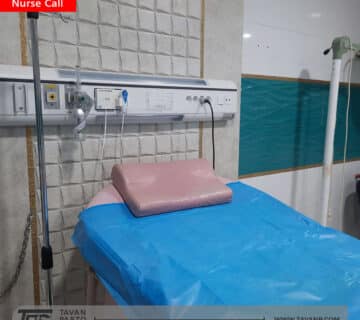
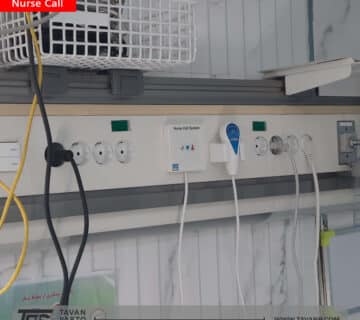
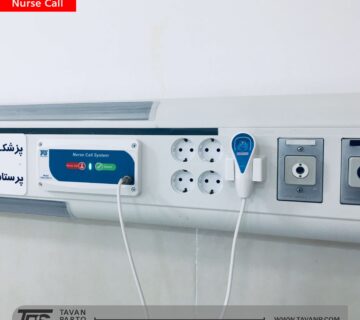
These devices are not only for private homes. They are also used in elderly care centers and hospitals as part of rapid patient-call systems.
The Nurse Call System research highlights how vital these systems are for improving response times.
Conclusion
An SOS tag with an emergency button is one of the essential safety tools for preventing accidents and ensuring rapid assistance.
With models available as wrist-worn, pendant, wall-mounted, and under-pillow devices, every senior can choose a version suitable for their physical condition.
Considering the growth of the elderly population and scientific evidence, using these devices is not just a smart choice—it is a real necessity for protecting the health and safety of seniors.

No comment